By Daniel Tant
October 12, 2026
Water issues plague residences across the nation, creating massive headaches for property owners. The damage begins long before inhabitants notice any visible dampness. Beneath floors and behind drywall, moisture escapes from compromised pipes, rotting the surrounding infrastructure. When these disasters reveal themselves, homeowners scramble to find solutions. This is the exact scenario local plumbers attempt to prevent through education and proactive maintenance.
Recognizing the subtle indicators of pipe failure saves families from catastrophic property destruction. Professionals in the field understand that small drips evolve into structural nightmares without intervention. By sharing their field experience, professionals empower residents to spot trouble. Knowledge serves as the best defense against plumbing disasters. Homeowners armed with this information protect their dwellings from extensive water damage and expensive repairs.
Discovering the Silent Signs of Seepage
Moisture leaves a trail of subtle clues throughout a house. Discoloration on ceilings or walls indicates a steady accumulation of fluid. These brown or yellow stains expand over time, signaling an ongoing issue behind the plaster. Ignoring these blemishes allows the deterioration to spread further into the building materials. Astute local plumbers train their eyes to spot these markings upon entering a residence.
Peeling paint and bubbling wallpaper provide additional evidence of hidden moisture. As water saturates the drywall, it destroys the adhesive properties of wall coverings. The resulting blisters create an unsightly appearance and point to a plumbing failure. Addressing the cosmetic damage without fixing the underlying pipe achieves nothing.
The persistent wetness will continue to ruin any new paint applied to the affected area.
Olfactory clues play a significant role in identifying hidden plumbing failures. Musty odors permeate the air when stagnant water accumulates in dark, unventilated spaces. This distinct smell resembles damp cardboard and grows stronger as time passes. Ventilation fails to clear the scent because the source remains active within the walls. Occupants should investigate any persistent earthy aromas hanging in their hallways or basements.
Beyond smells and stains, the sheer volume of wasted fluid staggers the mind. Small drips seem insignificant, but they accumulate over time. According to This Old House, the average home leaks about 10,000 gallons of water annually. Such massive waste highlights the critical need for vigilance. Residents who monitor their plumbing systems prevent this immense loss of resources.
Calculating the Financial Costs of Deterioration
Monthly utility bills serve as a direct gauge of plumbing health. An unexpected spike in the billing statement indicates a hidden rupture. Homeowners who monitor their usage trends spot these anomalies. A sudden increase in fluid consumption, absent a change in household habits, points toward a hidden issue. Experienced local plumbers cite escalating utility bills as a primary reason clients request inspections.
Structural repairs extract a massive toll on a family budget. When pipes burst, the resulting flood ruins hardwood floors, dissolves drywall, and rots wooden support beams. Replacing these fundamental building components requires extensive labor and expensive materials. The longer the moisture sits, the more extensive the rot becomes. Prompt intervention limits the spread of the damage and preserves the structural integrity of the house.
Furniture and belongings suffer irreparable harm during flooding events. Antique cabinets, expensive rugs, and sentimental items soak up moisture and warp beyond repair. Upholstery develops stubborn stains and harbors foul odors after exposure to standing puddles. Replacing these interior items adds another layer of financial burden to the disaster. Protecting these possessions requires an airtight plumbing system free from defects.
Property value diminishes when a house possesses a history of water damage. Prospective buyers flee from real estate listings that show evidence of past flooding. Home inspectors flag compromised plumbing systems and damaged foundations during their assessments. Sellers face reduced offers or demanding repair requests before closing the sale. Maintaining pristine pipes ensures a residence retains its maximum market value.
Pinpointing the Common Sources of Breakage
Toilets rank among the most frequent culprits for household fluid loss. Worn flappers fail to seal the tank, allowing a constant stream to flow into the bowl. This internal failure goes unnoticed because the liquid drains away rather than spilling onto the floor. Residents hear a faint running sound but ignore it. Fixing this specific mechanism prevents massive utility waste and ensures proper function.
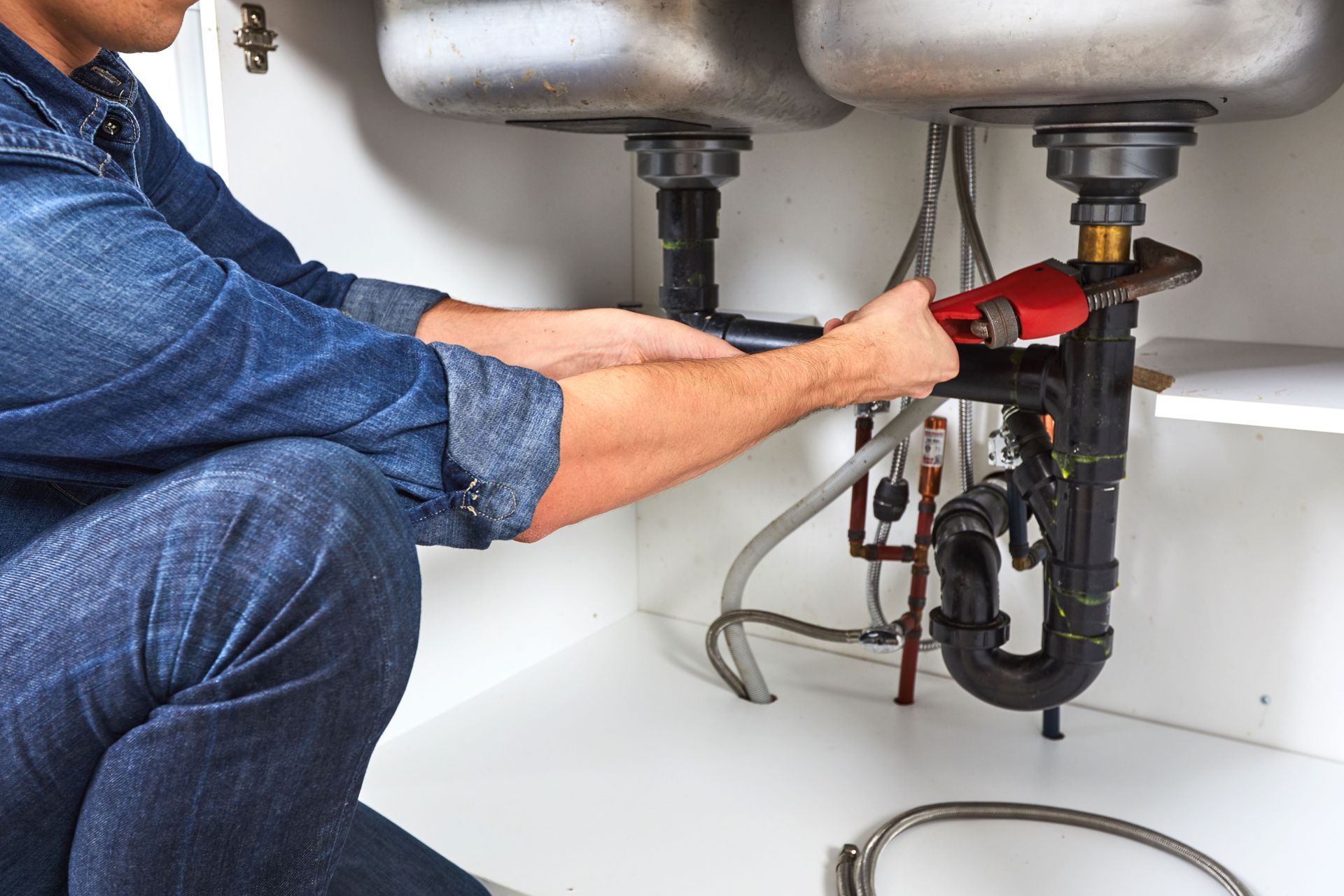
Cabinets beneath sinks hide another frequent location for pipe failures. Supply lines running to the faucet weaken at the connection points, creating slow drips. The dark environment conceals the growing puddle until the cabinet base warps and decays. Many local plumbers find extensive mold growth in these exact spots. Keeping the area under sinks clear of clutter allows homeowners to spot these drips.
Outdoor spigots endure harsh weather conditions that degrade their components. Freezing temperatures cause residual liquid inside the fixture to expand and crack the metal casing. When spring arrives, residents turn on the hose and flood the soil near their foundation. This exterior pooling threatens the structural base of the dwelling. Winterizing these outdoor connections prevents the metal from bursting during extreme cold snaps.
Major appliances rely on complex hose networks that degrade over time. Washing machines vibrate during operation, putting stress on the rubber intake lines. Dishwashers utilize plastic tubes that become brittle with age and heat exposure. When these connections fail, they release a torrent of fluid into the living space. Replacing rubber hoses with braided steel versions reduces the risk of appliance-related flooding.
Implementing the Preventative Measures for Maintenance
Routine visual inspections serve as the foundation of proper property care. Walking through the residence to examine exposed pipes helps identify corrosion and rust. These visual cues indicate weak spots in the metal that require attention before they rupture. Checking the area around the water heater for small puddles reveals slow deterioration. Catching these warning signs stops major disasters from occurring in the future.
Upgrading antiquated plumbing materials modernizes the infrastructure and improves reliability. Older houses feature galvanized steel pipes that rust from the inside out, restricting flow and creating structural weaknesses. Replacing these obsolete systems with modern copper or cross-linked polyethylene tubing ensures long-term stability. This whole-house repiping requires a significant investment but guarantees peace of mind. A modern system withstands pressure fluctuations and resists chemical corrosion.
Technological advancements offer residents new tools for protecting their dwellings. Smart moisture detectors sit on the floor near high-risk appliances and emit loud alarms when they sense puddles. Advanced versions connect to home networks and send alerts to mobile devices. Some sophisticated units integrate with a shutoff valve to stop the main supply. Proactive local plumbers recommend these gadgets to all clients.
Seasonal preparations safeguard the infrastructure against environmental stress. Insulating pipes in unheated areas like basements and attics prevents freezing during winter storms. Foam sleeves wrap around the metal, trapping residual heat and preventing solid blockages. Disconnecting garden hoses before the autumn frost protects the exterior spigots from internal pressure buildup. Taking these steps in the fall ensures a problem-free transition through the colder seasons.
Ignoring the subtle hints of plumbing distress invites catastrophe into the household. Small drips transform into massive ruptures without proper intervention and care. Residents who monitor their utility bills, investigate strange odors, and inspect their fixtures protect their financial investments. Taking a proactive stance against structural decay requires diligence and education. This dedication to maintenance represents the core message local plumbers strive to communicate.
Maintaining a dry and secure dwelling demands consistent effort and attention to detail. Knowledge empowers individuals to make informed decisions regarding their property upkeep. Addressing minor faults in due time prevents them from escalating into structural emergencies. Homeowners hold the power to preserve their living spaces through vigilant observation and fast repairs. A healthy plumbing network forms the backbone of a safe, comfortable, and resilient home. When you are ready to secure your home against hidden leaks, reach out to us at TNT Plumbing & Drain Service. We are the local plumbers dedicated to protecting your property from costly water damage.